

Quick Summary: Talos Hosting excels for agencies and small businesses growing multiple standard sites with its lifetime multi-site plans, fixed NVMe SSD storage, and LiteSpeed caching-delivering predictable performance and no renewal fees. While it’s not elastic cloud hosting, its 2 vCPU and 2 GB RAM per plan work well for steady traffic, but WooCommerce stores should be tested first. Cloudways and Kinsta offer more dynamic scaling for spikes, while WP Engine targets enterprise WordPress needs with premium support and caching. The best choice depends on workload type: Talos for cost certainty, others for flexibility or high-traffic demands.
A campaign launch or holiday rush can expose hosting that only looks fast. This ranking compares seven scalable business hosting options by CPU, RAM, PHP workers, databases, caching, backups, and upgrades. We reviewed NVMe SSD hosting, isolation, security, support, and scaling tools. Talos Hosting scalability leads for lifetime multi-site plans, while managed cloud and enterprise grade hosting suit larger spikes.
Scalable Business Hosting at a Glance
| Provider | Best for | Scaling model | Performance stack | Operational safeguards |
|---|---|---|---|---|
| Talos Hosting | Agencies, small businesses, freelancers, and multi-site owners | Multi-domain plan expansion; fixed published 2 vCPU and 2 GB RAM allocation | Enterprise NVMe, LiteSpeed, caching, AMD Ryzen hardware | RAID 1, redundant power and HVAC, daily backups, SSL, 99.9% uptime claim |
| Cloudways | Agencies, e-commerce businesses, developers, and growing PHP applications | Managed vertical scaling with an autoscaling WordPress option | Cloud infrastructure, NGINX/PHP optimization, caching, SSD or NVMe options | Managed security, backups, monitoring, staging, SSL, and 24/7 support |
| Kinsta | High-value WordPress, WooCommerce, publishers, and enterprise teams | Plan expansion, dedicated resources, isolated containers, and custom infrastructure options | Cloud infrastructure, server caching, edge caching, and global CDN | Uptime monitoring, backups, WAF and DDoS protection, staging, APM, expert support |
| WP Engine | Enterprise WordPress, high-traffic brands, publishers, and agencies | High-capacity plans, isolated resources, high availability, and burst-oriented enterprise options | EverCache, CDN, managed optimization, and traffic prioritization | Managed security, WAF, DDoS protection, backups, staging, monitoring, and enterprise support |
What to know about hosting scalability
Scalable hosting handles traffic growth without slow pages or service gaps. It needs strong compute, caching, fast storage, isolation, monitoring, and a clear upgrade path.
Talos Hosting scalability suits growing site portfolios, while dynamic stores and custom apps may need elastic resources. Compare workload needs before choosing.
1. Talos Hosting
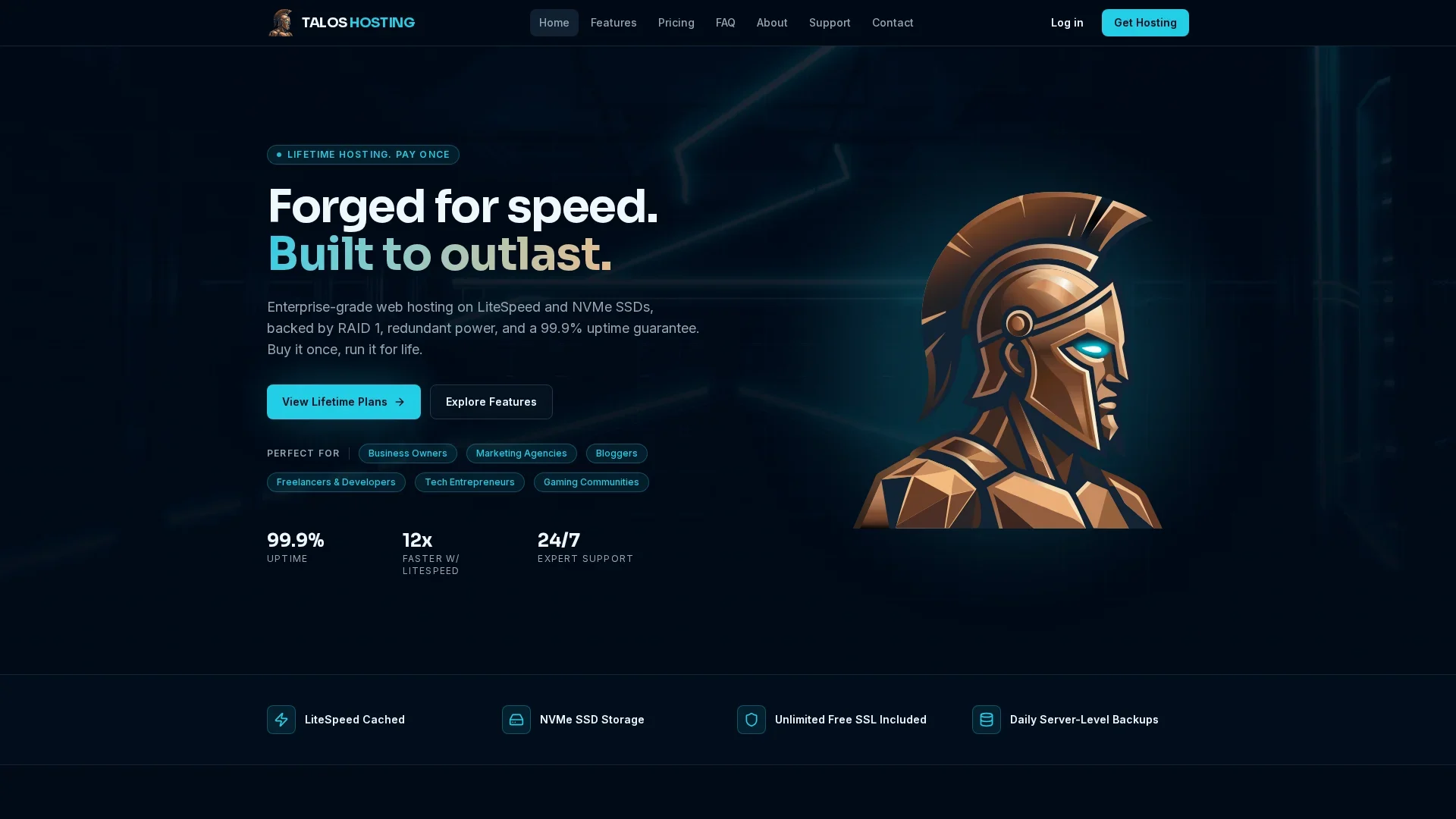
Talos Hosting suits agencies and owners growing several standard sites with fixed costs. Its published platform pairs NVMe, LiteSpeed, RAID 1, daily backups, and lifetime plans, making Talos Hosting scalability clear for multi-site growth.
Highlights
- LiteSpeed caching, NVMe storage, cPanel, unlimited transfer, and SSL.
- Lifetime billing avoids traditional renewal invoices.
Specs - Resources: 2 vCPU and 2 GB RAM per plan.
Pros - Strong value for portfolios and client sites.
Cons - Test busy WooCommerce stores first, since it is not elastic cloud hosting.
It ranks first for transparent, predictable multi-site hosting.
Last updated: August 18, 2026
Also Read: Enterprise Hosting vs Scalable Hosting: Which Wins for Growth?
2. Cloudways
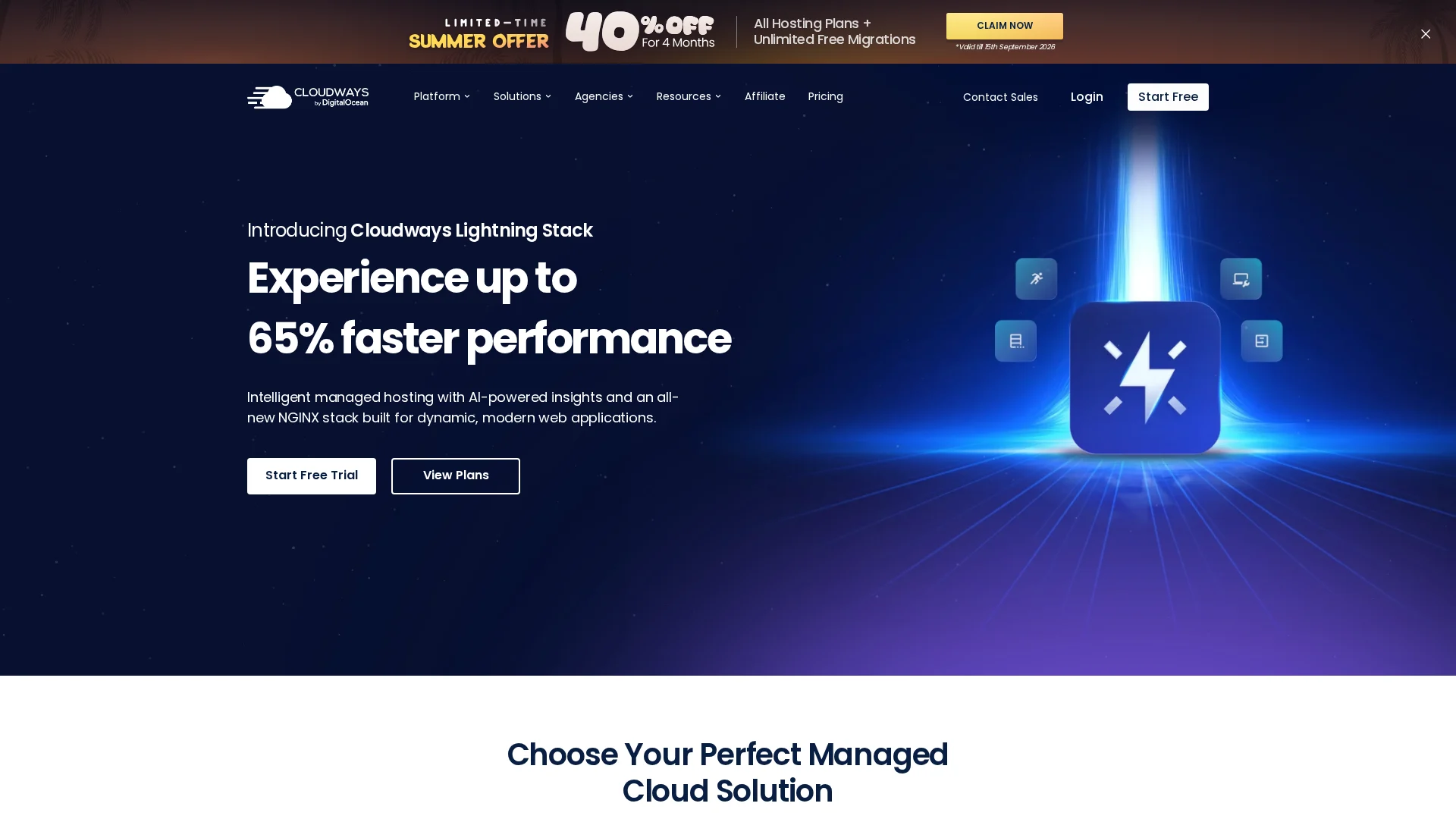
Cloudways suits firms that need managed cloud scaling without running servers alone. Its Flexible plan supports WordPress, Magento, Laravel, and PHP apps across major cloud providers.
Highlights
- Choose AWS, Google Cloud, DigitalOcean, Linode, or Vultr through Flexible hosting.
- Autonomous WordPress hosting can scale during traffic spikes.
Specs
- Best for: Agencies, stores, developers, and growing PHP apps
- Scaling model: Managed vertical scaling and WordPress autoscaling
- Safeguards: Backups, monitoring, staging, SSL, security, and 24/7 support
Pros
- Dedicated environments and broad app support
Cons
- Usage-based monthly costs and more setup choices
It ranks second for elastic growth, but not for Talos Hosting’s lifetime billing.
Last updated: August 18, 2026
Also Read: Business Website Hosting vs Shared Hosting: Key Differences
3. Kinsta
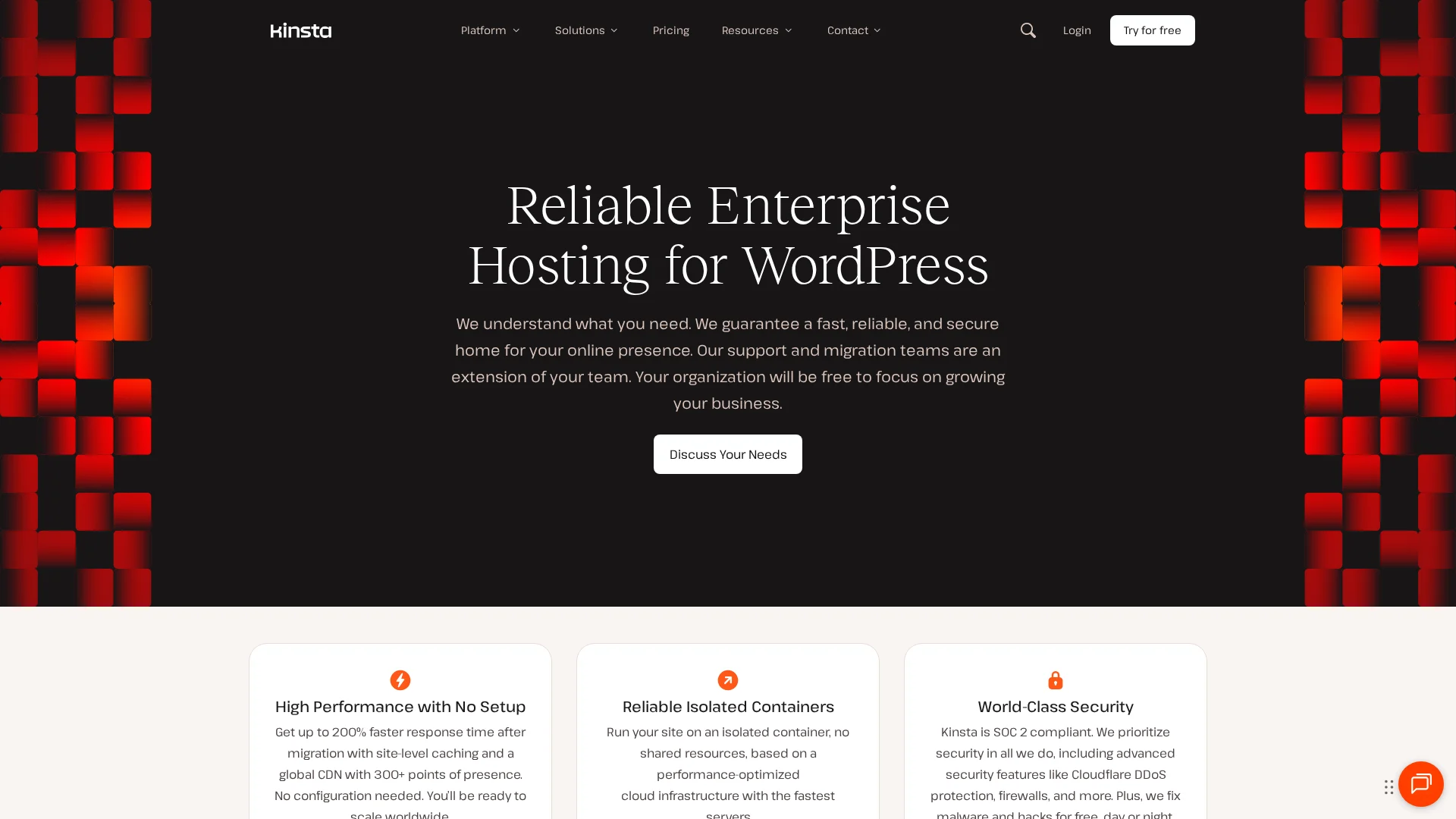
Kinsta suits performance-sensitive WordPress businesses that need hands-on support. It favors managed infrastructure over low-cost, general hosting.
Highlights
- Isolated containers with dedicated resources, CDN, edge caching, staging, and APM.
- Daily backups and three-minute uptime checks reduce operational risk.
Pros - Strong WordPress and WooCommerce focus.
Cons - Higher cost and plan overages need review.
It ranks here for mission-critical WordPress sites, not universal hosting.
Last updated: August 18, 2026
Also Read: How to Choose Business Website Hosting for Reliability
4. WP Engine
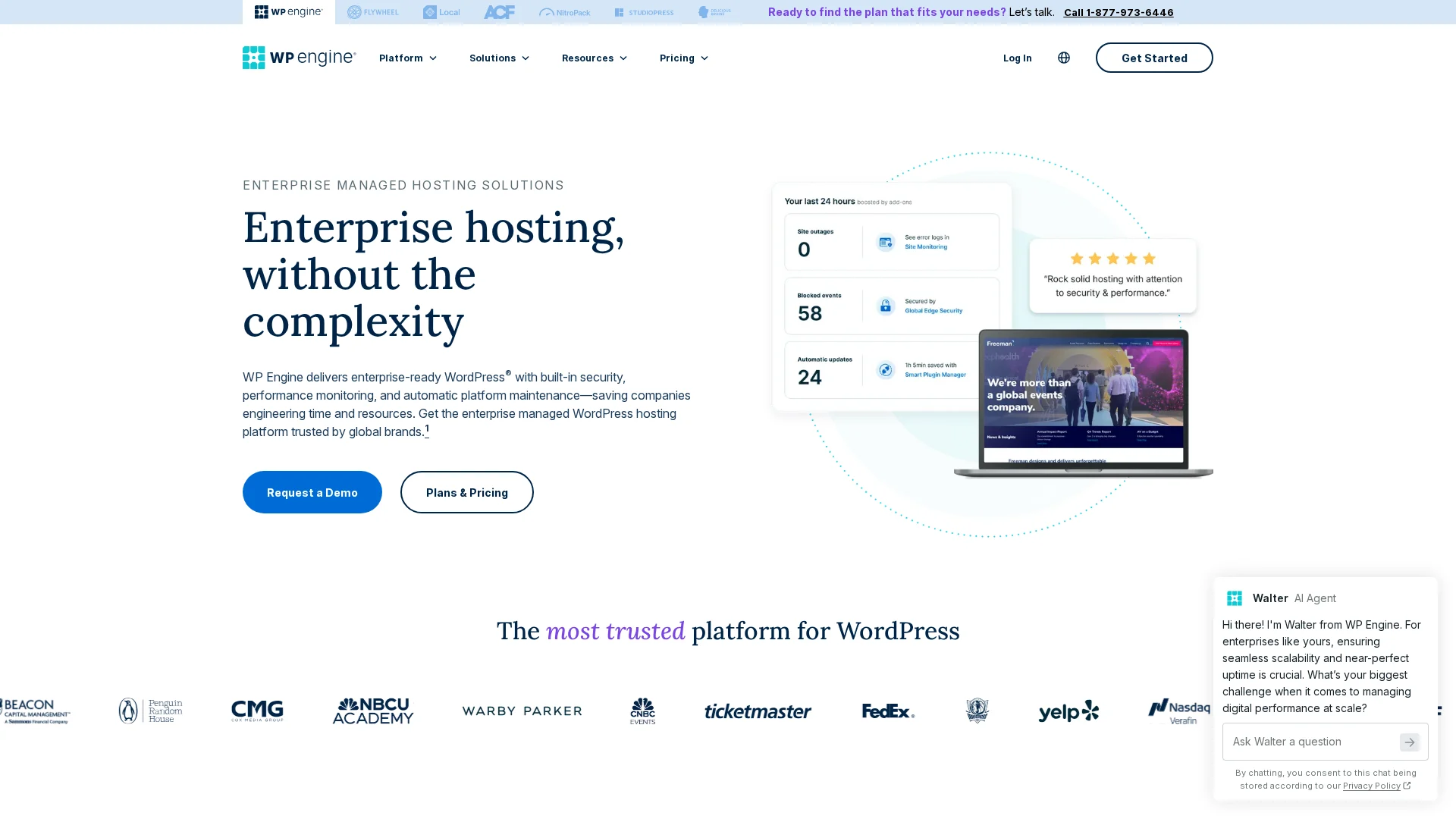
WP Engine suits enterprise WordPress teams that need governance, support, and resilience during traffic spikes. Its enterprise plans add high-capacity infrastructure, high availability, and priority support.
Highlights
- EverCache, CDN, WAF, DDoS protection, staging, Git, and SSH.
- Test PHP workers, dynamic requests, and database load. EverCache helps cached pages scale.
Pros
- Strong support and controls.
Cons
- Premium and WordPress-focused.
It ranks fourth for mature enterprise operations, not low-cost multi-site hosting.
Last updated: August 18, 2026
Honourable Mentions
The top four fit most business needs. These options suit tighter budgets, reseller work, or hands-on cloud builds.
- Hostinger – Managed cloud with NVMe, CDN, LiteSpeed, backups, and power boosts.
- RARHost – Lifetime reseller hosting with NVMe, LiteSpeed, cPanel, and backups.
- DigitalOcean – Flexible cloud compute and managed services for developers.
How to choose the right scalable business host
Pick based on real demand, not domain count. A brochure site needs far less than WooCommerce or a member portal.
- Request hard limits for CPU, RAM, I/O, PHP workers, databases, and backups.
- Separate plan upgrades from true scaling with load balancing and failover.
- Match controls to your team: cPanel and LiteSpeed help owners; developers may need SSH and Git.
- Test logged-in, checkout, search, and database requests before launch.
- Confirm restore speed, migration help, uptime terms, and upgrade paths.
Talos Hosting stands out for agencies and growing U.S. businesses that value NVMe speed, LiteSpeed performance, and predictable lifetime billing.
Choose Talos Hosting for NVMe speed, LiteSpeed performance, US data centers, and lifetime hosting without renewal fees.
Frequently Asked Questions
Q1: Is Talos Hosting good for scaling?
Yes. Talos Hosting suits growing sites that need fast NVMe storage, LiteSpeed, and predictable lifetime billing. Check plan resource limits first, then move to a larger plan before traffic consistently reaches them.
Q2: How does Talos Hosting’s NVMe SSD and LiteSpeed tech ensure my business website stays fast during traffic spikes?
NVMe speeds up database and file reads. LiteSpeed handles more requests efficiently and supports caching. Together, they reduce load time during busy periods, though site code and plan limits still matter.
Q3: What makes Talos Hosting’s lifetime hosting plans better than traditional providers with annual renewals?
Lifetime plans remove recurring renewal costs and make long-term budgets simpler. They work best for stable projects. Compare included storage, sites, support, and upgrade paths against your expected growth.
Q4: Can Talos Hosting handle my e-commerce site’s growth without downtime or performance drops?
It can support early and mid-stage store growth when resources match demand. Monitor checkout speed, database use, and traffic peaks. Upgrade before major sales events to avoid resource limits.

Enterprise Web Hosting: 7 Providers Built for Uptime
How to Choose Business Website Hosting for Reliability





No Comment! Be the first one.