

Quick Summary: This guide ranks nine performance hosting plans, with Talos Hosting taking the top spot for US-focused sites thanks to its LiteSpeed server, enterprise NVMe storage, and one-time lifetime pricing that eliminates renewal fees. Hostinger Cloud Startup, Voxfor Lifetime VPS, and RarHost Shared Hosting round out the top four, each suited to different needs like managed cloud, developer control, or budget multi-site hosting. The article advises matching resources to your workload, checking for NVMe and LiteSpeed, demanding transparent limits, and calculating multi-year costs, since renewal rates often spike after intro periods.
A slow server can lose a visitor before your headline even loads. Every provider claims “SSD” and “optimized servers,” yet the real differences hide in CPU limits, caching, support, and renewal prices. This guide ranks nine performance hosting plans, starting with Talos Hosting and covering shared, managed WordPress, cloud, and VPS options. We compared storage, uptime promises, backups, and long-term costs. Treat speed claims as directional; your code, media, and traffic matter too.
Performance Hosting Comparison
| Provider | Best for | Infrastructure | Management model | Value profile |
|---|---|---|---|---|
| Talos Hosting | Businesses, agencies, bloggers, freelancers, and developers | LiteSpeed, enterprise NVMe, AMD Ryzen, RAID 1 | cPanel hosting with 24/7 ticket support | One-time lifetime plans |
| Hostinger Cloud Startup | Growing businesses and ecommerce sites | Managed cloud, NVMe, CDN, object cache | Managed dashboard with WordPress tools | Subscription with scalable cloud upgrades |
| Voxfor Lifetime VPS | Developers, technical businesses, and custom applications | Dedicated VPS resources, NVMe, 10 Gbps uplink | Root-access VPS with technical management required | Lifetime one-time payment options |
| RarHost Shared Hosting | Small sites, freelancers, and portfolio projects | LiteSpeed, LSCache, NVMe, shared resources | cPanel shared hosting | Low recurring cost and lifetime options |
What to know about performance hosting
Performance hosting is hosting built to cut server response time, deliver files fast, and stay stable as traffic grows. It matters because slow pages lose visitors and hurt your search rankings.
The strongest plans combine modern storage, capable processors, web-server caching, SSL, backups, and reliable networking, plus a management model that fits your site. Below, we compare nine plans that get this right.
1. Talos Hosting
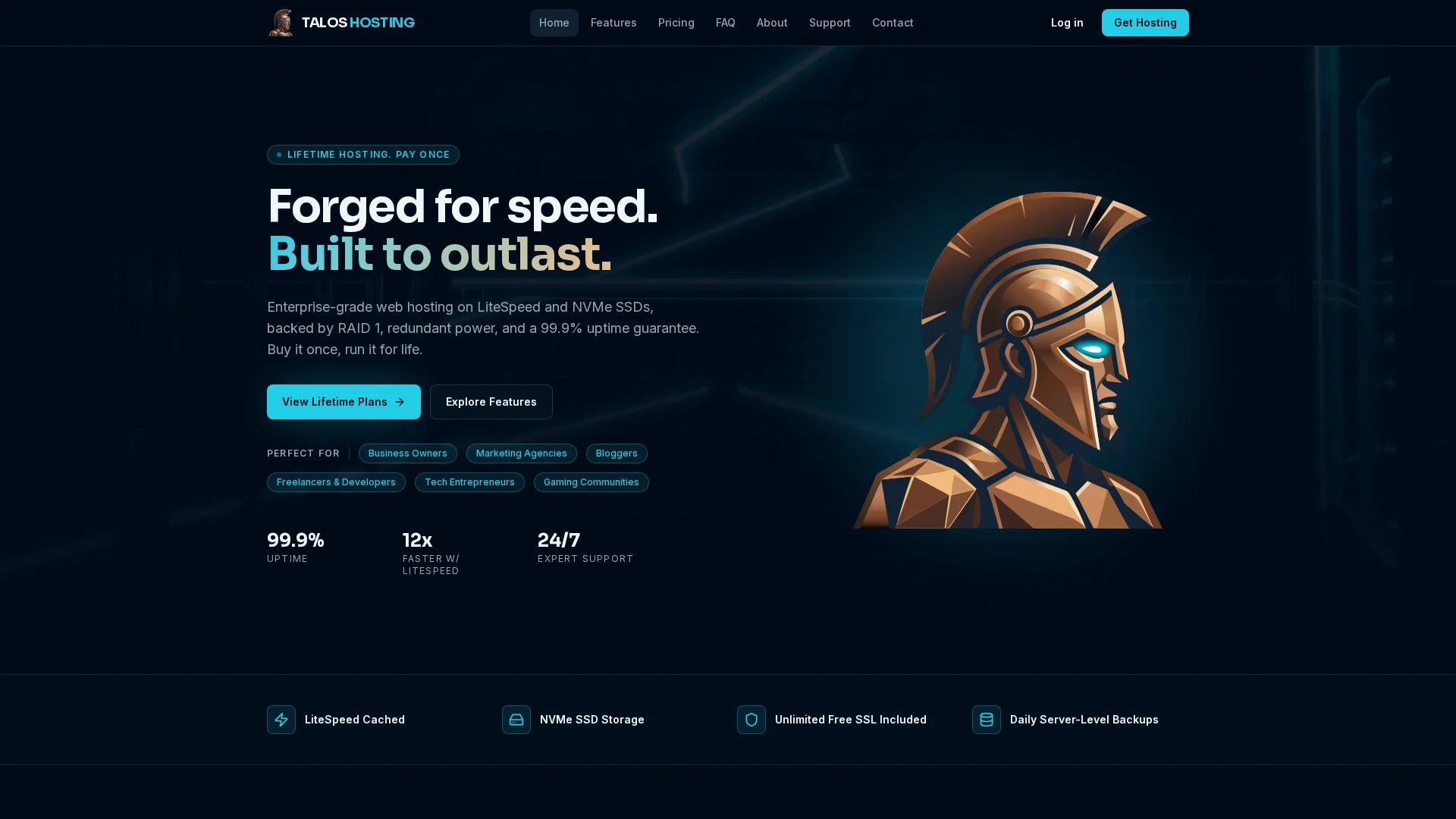
Talos Hosting takes the top spot for US-focused websites that need fast pages and no renewal invoices. It pairs LiteSpeed with enterprise NVMe storage, so your site serves quickly without extra caching plugins.
Highlights
- LiteSpeed web server with built-in caching
- Enterprise NVMe storage and RAID 1 mirrored drives
- 2 vCPU and 2 GB RAM per account
- Daily server-level backups and free SSL
- Lifetime plans with no recurring hosting renewals
Best for: Businesses, agencies, bloggers, freelancers, and developers
Pros
- Transparent vCPU and RAM allocation
- US-based infrastructure suits US audiences
Cons
- Fixed account resources may not suit very high-traffic workloads
- Domains are purchased separately
Talos ranks first because it combines modern performance infrastructure, transparent resources, and long-term value in one plan.
Last updated: September 24, 2026
2. Hostinger Cloud Startup
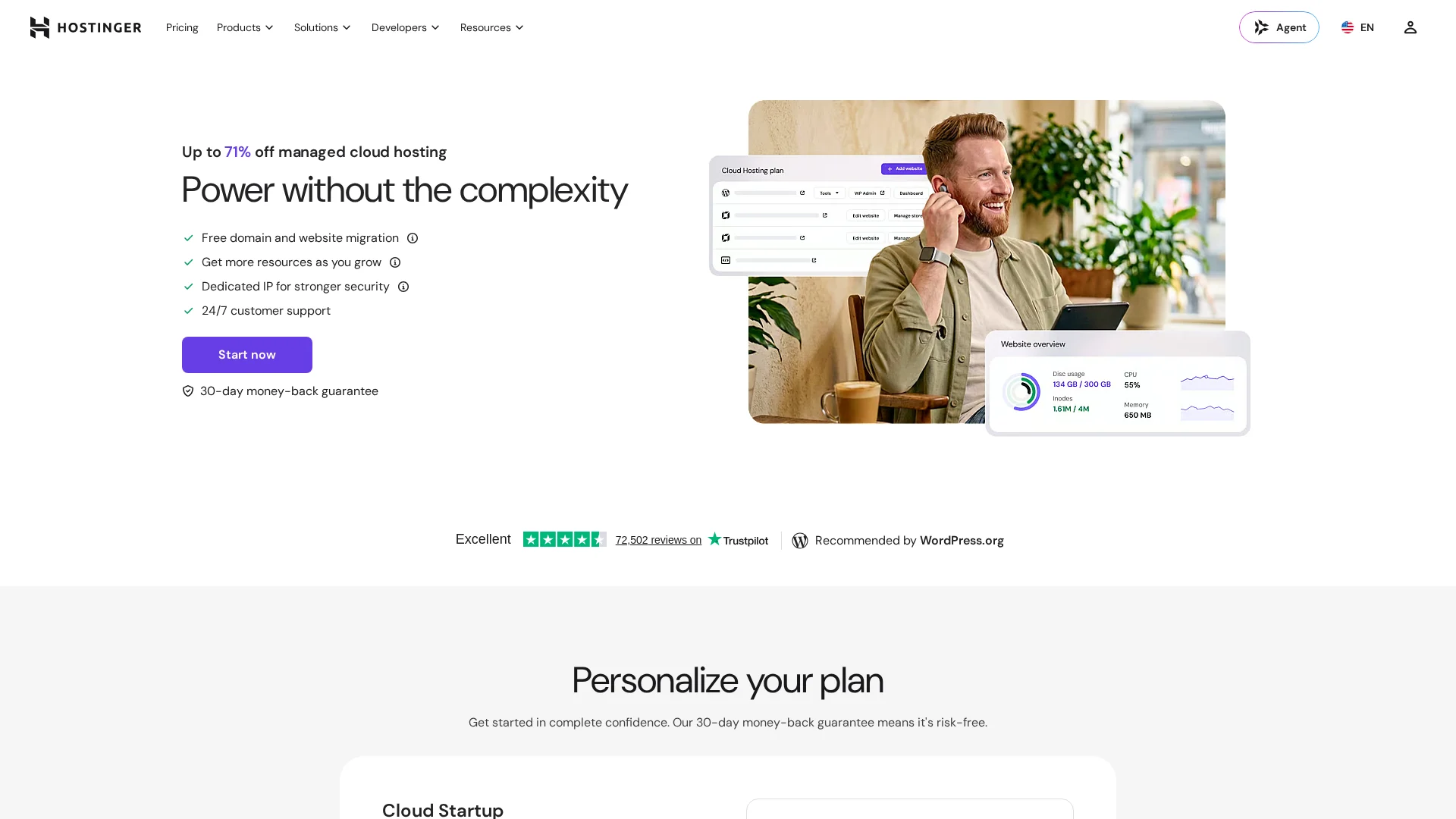
Hostinger Cloud Startup is the best managed cloud pick for growing sites. It gives businesses and ecommerce stores more resources than shared hosting, with no server admin work on your end. NVMe storage, a CDN, and object caching handle the speed side.
Highlights
- Managed cloud with 4 CPU cores, 4 GB RAM, and 100 GB NVMe storage
- CDN, object cache, and daily plus on-demand backups
- Dedicated IP, 24/7 support, and a clear upgrade path as traffic grows
Pros
- More muscle than typical shared hosting
- Managed dashboard with WordPress and WooCommerce tools
- Easy migration and scaling for growing businesses
Cons
- Promo pricing requires a long prepaid term
- Renewal rates run higher than the intro price
It ranks second for balancing managed convenience, scalable resources, and broad platform support. Just check the term length before you commit – or skip renewals entirely with a lifetime plan like Talos Hosting.
Last updated: September 24, 2026
3. Voxfor Lifetime VPS
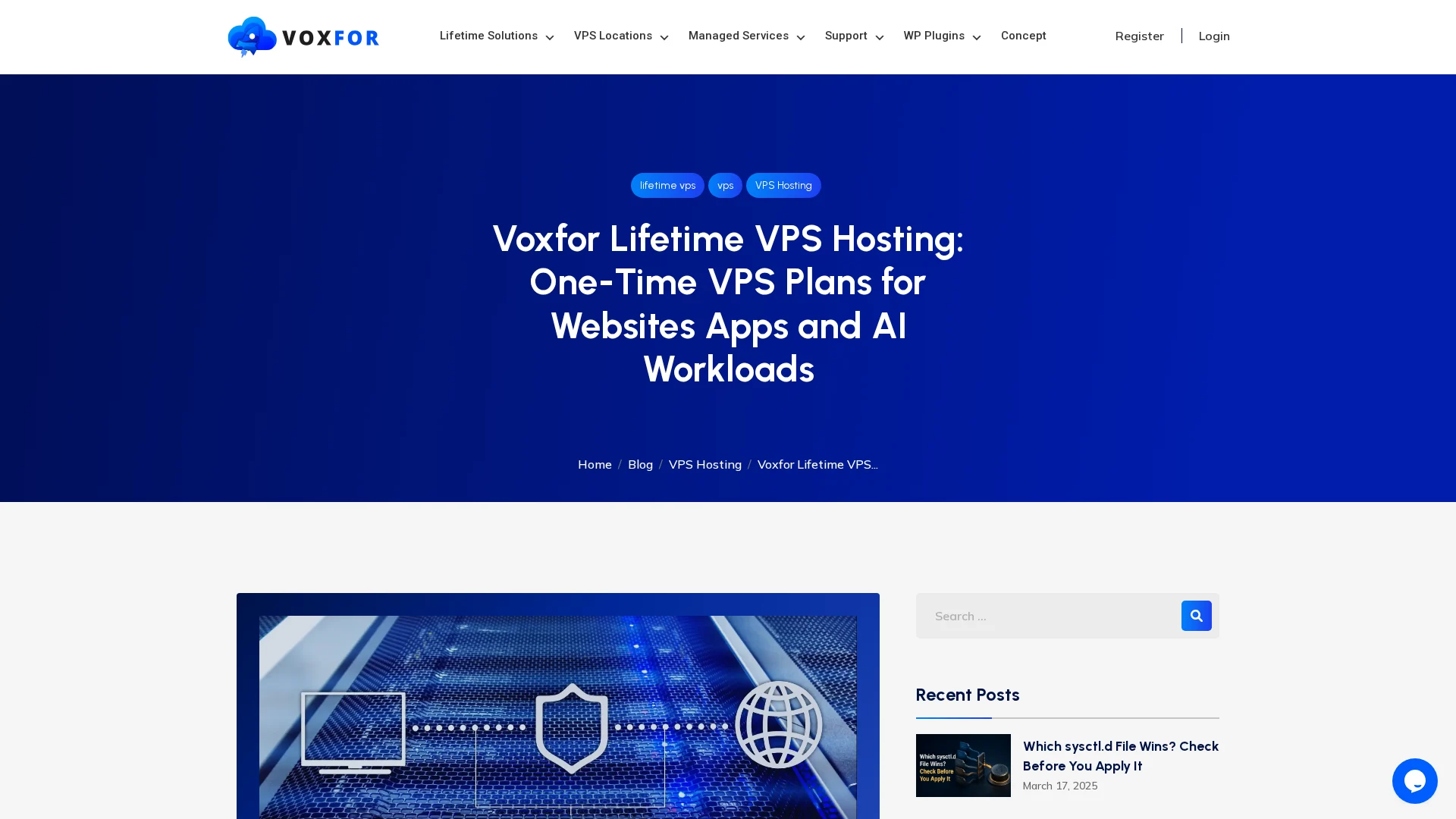
Voxfor is best for developers who want dedicated VPS control without monthly bills. Plans run on NVMe storage, AMD or Intel processors, and a 10 Gbps uplink, with full root access for custom setups. Readers rate the lifetime deals and speed highly on Trustpilot.
Highlights
- Dedicated VPS CPU and RAM, no shared-server contention
- NVMe SSD storage and 10 Gbps uplink
- Full root access for custom stacks
- Automated backups and security tools
- One-time lifetime payment options
Pros
- Isolated resources keep performance consistent
- Root access supports custom configurations
- One-time pricing can cut long-term cost
Cons
- Needs real system administration skill
- You handle updates, hardening, and monitoring
It ranks third because it offers more control than shared hosting, but the owner stays responsible for tuning, patching, and security work.
Last updated: September 24, 2026
Also Read: High Performance Web Hosting: 10 Fast Options for 2026
4. RarHost Shared Hosting
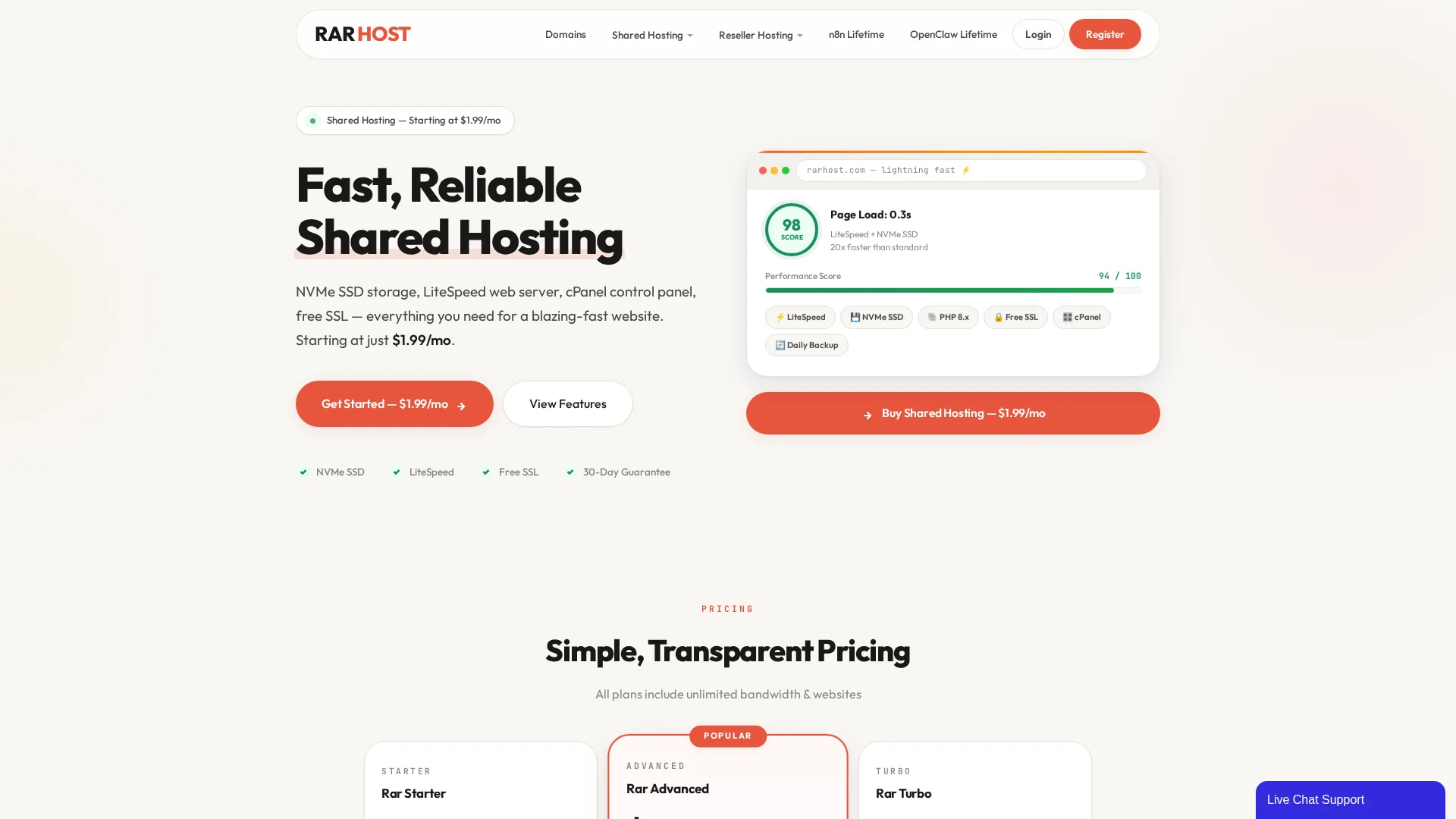
RarHost is the budget pick for anyone running several small sites at once. Its shared plans pair LiteSpeed and LSCache with NVMe storage, so even cheap plans stay quick. Add cPanel, free SSL, and daily backups, and it works well for freelancers and portfolios.
Highlights
- LiteSpeed with LSCache for faster page loads
- NVMe storage and 2 vCPU with 2 GB RAM on listed plans
- cPanel, free SSL, and daily backups
- Unlimited websites and bandwidth under fair-use policies
Pros
- Very accessible pricing for multiple sites
- Speed-focused stack for small workloads
- cPanel feels familiar to most owners
Cons
- Shared resources mean less consistency under load
- Complex, high-traffic apps need more isolation
It ranks fourth because few budget plans offer this much, though a VPS or a lifetime plan like Talos Hosting still beats it during traffic spikes.
Last updated: September 24, 2026
Additional Performance Hosting Options
These plans still earn a spot when platform fit, budget, or support model matters more than an overall winner.
- Pressable – Managed WordPress with edge caching, failover, and agency tools.
- Kinsta – Premium WordPress hosting on Google Cloud with CDN and staging.
- DreamPress – Managed WordPress with NVMe storage, backups, and CDN.
- Hostverge – Budget lifetime hosting with SSL, CDN, and malware protection.
- HostNirvana – Affordable cloud hosting with SSD storage, backups, and one-click apps.
How to choose the right performance hosting plan
- Match resources to workload. A blog fits shared hosting. Ecommerce and apps need cloud or VPS power.
- Check the stack. Look for LiteSpeed, NVMe storage, server-level caching, and a CDN for far-flung visitors.
- Demand transparent limits. Stated CPU, RAM, and inode counts beat vague “unlimited bandwidth” claims.
- Pick your management level. Managed plans save time; root-access VPS suits hands-on developers.
- Confirm recovery. Check uptime guarantees, backup frequency, and support hours before you move.
- Calculate multi-year cost. Renewal fees add up fast. Talos Hosting sidesteps this with one-time lifetime pricing on NVMe and LiteSpeed, so it’s the strongest long-term pick.
Ready to stop paying for slow hosting? Talos Hosting gives you lifetime LiteSpeed and NVMe plans with zero renewal fees. Pick your plan today.
Frequently Asked Questions
Q1: Best performance hosting for fast websites?
Look for NVMe storage, LiteSpeed servers, and a host with low server load. Talos Hosting bundles all three with lifetime pricing, so speed does not depend on cutting corners.
Q2: Is lifetime hosting actually a good deal?
Yes, if you plan to keep your site running for years. You pay once and skip renewal hikes, which often double by year three with monthly plans.
Q3: Can I migrate my existing site to a faster host?
Most performance hosts handle migrations for free. Ask before you buy, and confirm they move email accounts and databases too, not just files.
Q4: Does hosting location really affect page speed?
It does. A US data center keeps load times low for American visitors, cutting latency compared to servers overseas.

Performance Hosting vs Shared Hosting for Busy Sites
How NVMe SSD Hosting Speeds Up Databases and Pages




No Comment! Be the first one.